The Walla-Walla sampan ferries have crossed Victoria Harbour since the 1920s. Here is everything you need to know to ride one today.
There is no more honest way to experience Victoria Harbour than from the low, open deck of a Walla-Walla. Where the Star Ferry offers timetabled comfort, the Walla-Walla offers immediacy: you wave it down, negotiate, and you're off.
What Is a Walla-Walla?
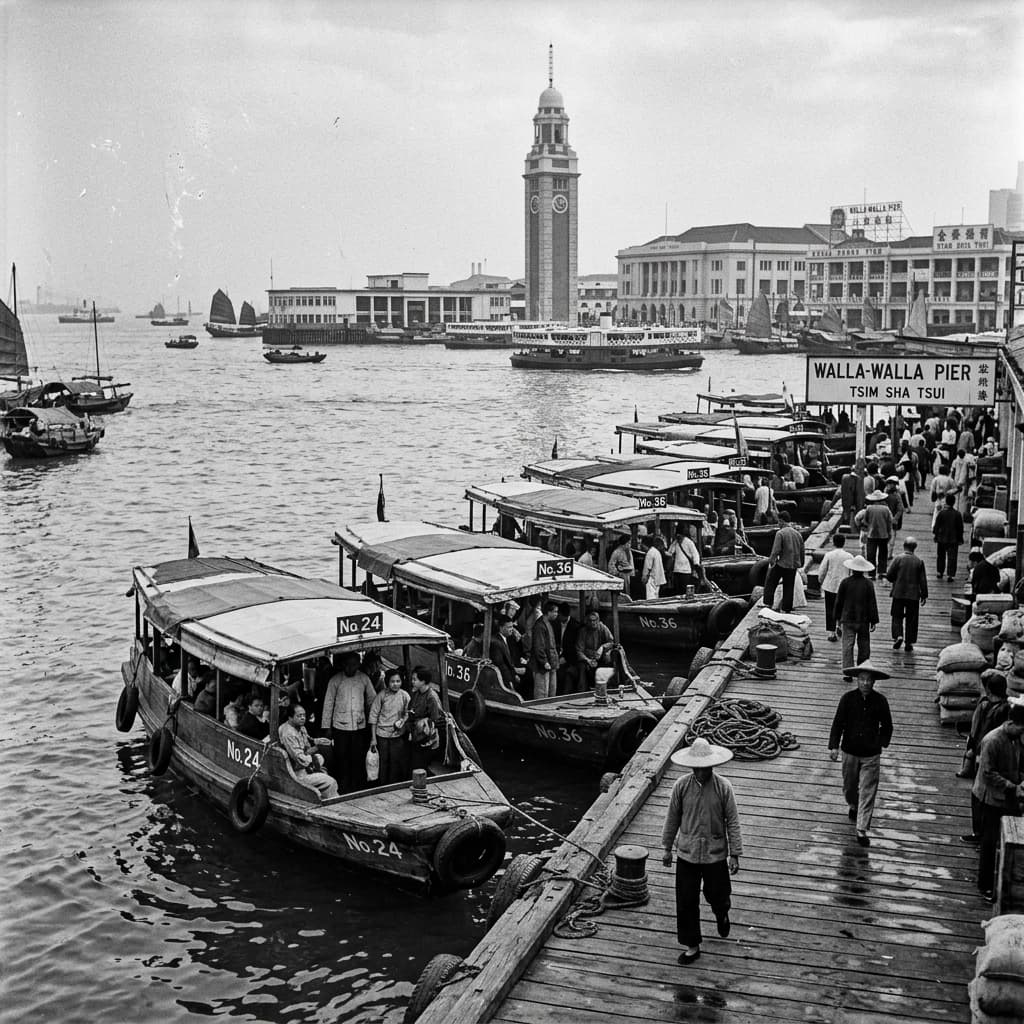
A Walla-Walla (嘩啦嘩啦) is a small motorised sampan-style boat that operates as an on-demand water taxi across Victoria Harbour and to nearby typhoon shelters, anchorages, and vessels. The name is a local approximation of the sound the early petrol engines made — a rhythmic mechanical chatter that became as recognisable as a taxi horn.
The boats typically seat between 8 and 20 passengers and are operated by licensed coxswains who have an intimate knowledge of the harbour's tidal rhythms, weather patterns, and traffic flows. Many families have operated Walla-Walla businesses for three or four generations.
History of the Service
Small water-taxi services existed in Victoria Harbour from the late 19th century, but the Walla-Walla trade came into its modern form in the 1920s and 1930s as petrol engines replaced oar and sail. They proliferated after World War II, servicing the vast number of vessels — merchant ships, Royal Navy warships, junks, private launches — that anchored in the deeper waters of the harbour away from the main piers.
At the service's peak in the 1960s and 1970s, hundreds of Walla-Wallas operated around the clock. As the harbour was reclaimed, as container port traffic moved west to Kwai Chung, and as the permanent population of floating households declined, so too did the number of Walla-Walla operators.
Practical Guide: How to Board
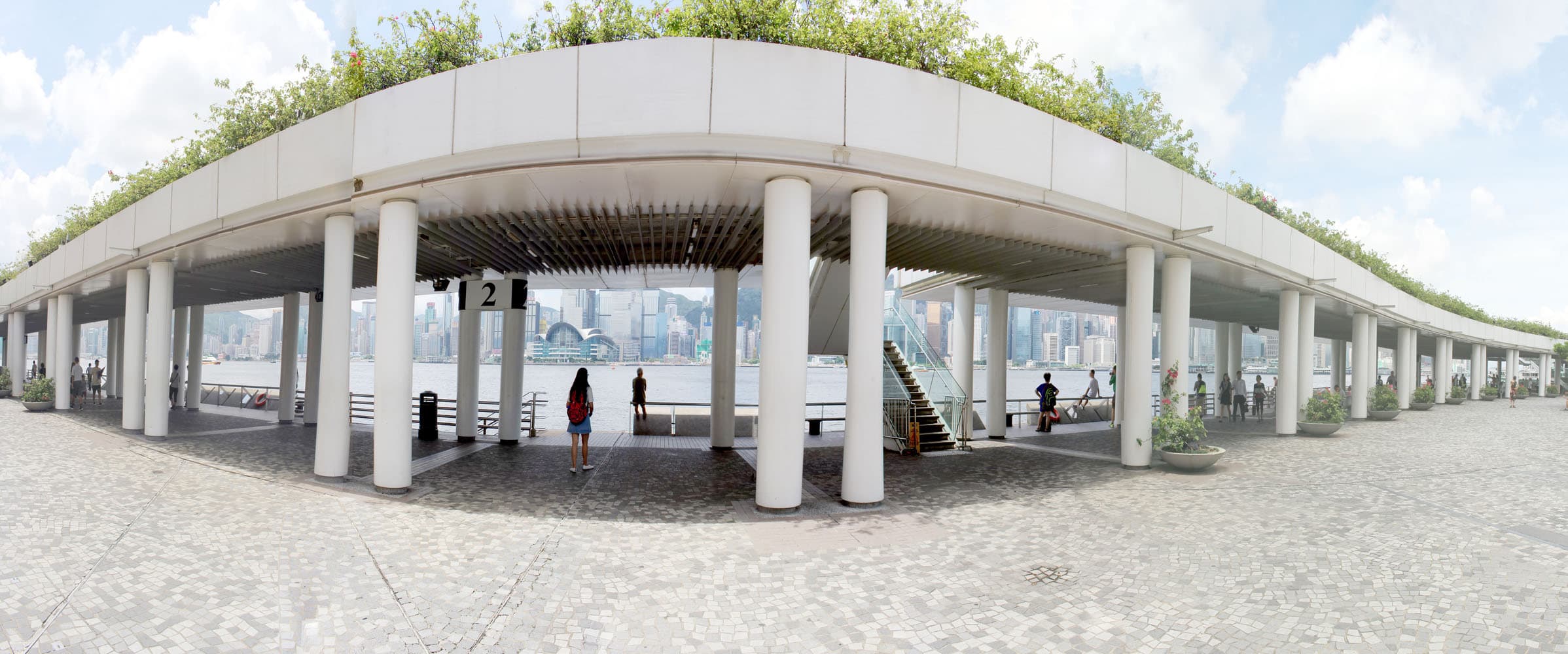
Location: The primary Walla-Walla departure point in Kowloon is Kowloon Public Pier, accessed via the Star Ferry concourse and turning right along the waterfront promenade.
Operating Hours: Walla-Wallas run roughly 7:00am to 11:00pm but hours vary by operator. The service is more frequent on weekdays and around peak harbour activity periods (mid-morning, early evening).
Fare Negotiation: Unlike the Star Ferry, Walla-Walla fares are not fixed. Drivers quote a price; you can negotiate, especially for group bookings or private charters. Expect roughly HK$60–150 per person depending on destination and group size.
Destinations: Common routes include:
Safety: Wear a life jacket if you see them offered — it is not required for most short crossings but is good practice. Avoid Walla-Wallas during Typhoon Signal 3 or above. The coxswain's judgement on harbour conditions is final.
Photographing from a Walla-Walla
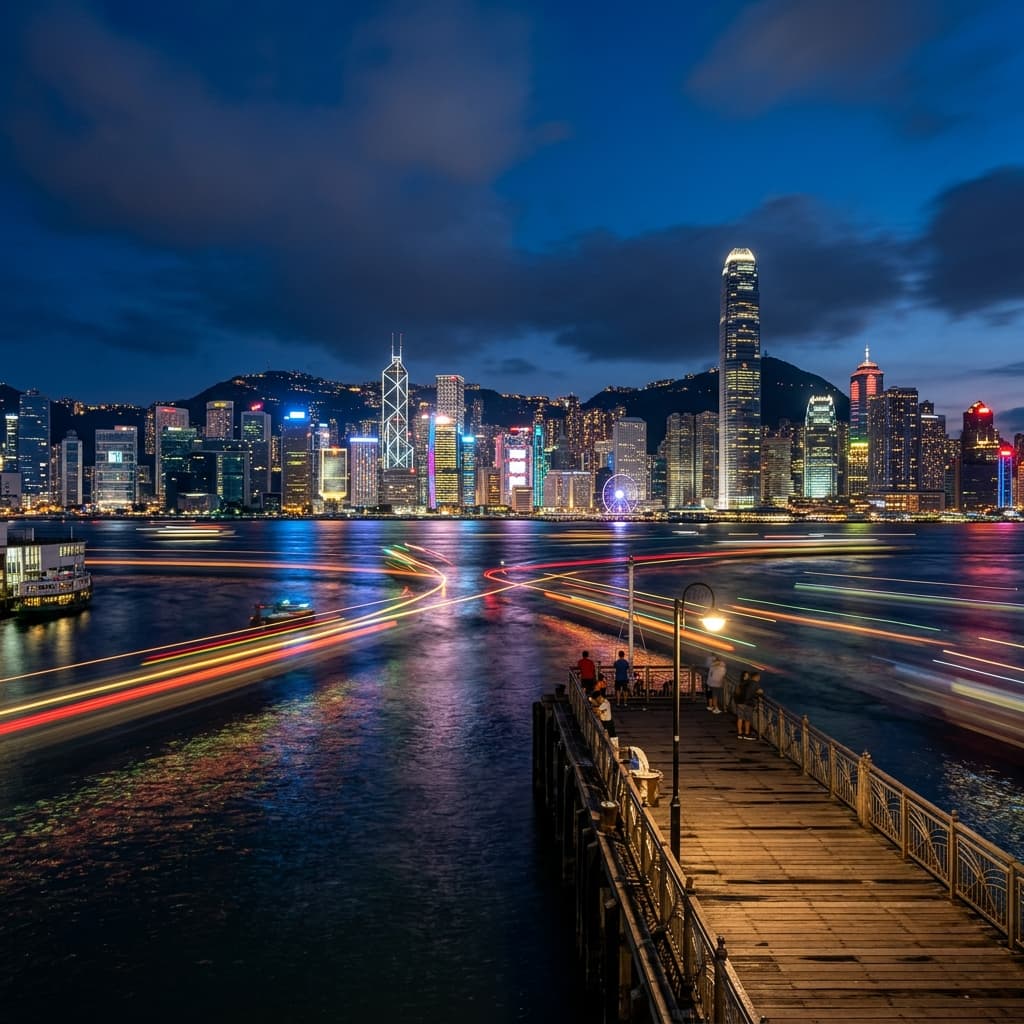
The low deck profile of a Walla-Walla places you almost at water level, creating dramatic wide-angle shots of the skyline with the harbour in the foreground. The morning golden hour (06:00–08:00) offers the richest light over Wan Chai and Central; the evening blue hour (19:30–20:00) is peak for the Symphony of Lights laser display backdrop.
Bring a wide lens (16–24mm equivalent), keep shutter speed above 1/200s to compensate for vessel movement, and waterproof your gear — harbour spray is real on gusty days.
Conservation Status
The Walla-Walla trade is officially recognised as a piece of Hong Kong's intangible cultural heritage. The number of licensed operators has declined significantly and the trade faces genuine succession challenges as younger generations choose other livelihoods. Each ride is a small act of preservation.