Vanished Shores: Unearthing the History of Tsim Sha Tsui's Five Piers
2026年5月8日 · 6 min

Few who stroll along the bustling Tsim Sha Tsui waterfront today realize they tread upon ground once occupied by a series of piers, each a vital artery in Hong Kong's maritime lifeblood. Beyond the enduring presence of Kowloon Public Pier, a silent history whispers of five distinct piers that shaped this iconic shoreline. These weren't merely docking points; they were gateways, connecting Kowloon to the world and witnessing the ebb and flow of commerce, immigration, and cultural exchange.
Before the modern reclamation, Tsim Sha Tsui's coastline possessed a different character. The first of these piers, often referred to as the Naval Yard Pier (or occasionally, the 'Government Pier' of the period), arose from the need to service the burgeoning naval presence in Victoria Harbour. It was a utilitarian structure, primarily focused on the logistical needs of the British fleet. Its existence highlights the strategic importance of Hong Kong to the British Empire.
As the city expanded, so too did the need for passenger and cargo handling facilities. This led to the development of other piers, including those specifically designated for cargo vessels and, crucially, passenger ferries. These piers facilitated the movement of people and goods between Kowloon and Hong Kong Island, fostering trade and solidifying TST's position as a key transportation hub. Think of the bustling scenes: coolies unloading cargo, families embarking on journeys, and the constant arrival and departure of ferries, all orchestrated against the backdrop of Victoria Harbour's ceaseless activity.
While precise records are scarce, historical maps and photographs offer glimpses into the locations and designs of these vanished structures. Some were simple wooden jetties, while others were more substantial concrete constructions. Each served its purpose, contributing to the dynamic tapestry of the waterfront. It's important to remember the 'Walla-Wallas', the small water taxis, that darted between these piers and larger vessels, providing a vital, if often overlooked, service. They were the capillaries of the harbour's circulatory system.
The relentless march of progress, however, has erased most physical traces of these historical piers. Reclamation projects, undertaken to create more land for development, have swallowed them whole. Kowloon Public Pier stands as a testament to the era, a reminder of the vital role these structures played in shaping TST into the vibrant district it is today. Even the Star Ferry, a constant presence connecting Kowloon and Hong Kong Island, owes its very existence to these historical piers and the need they fulfilled.
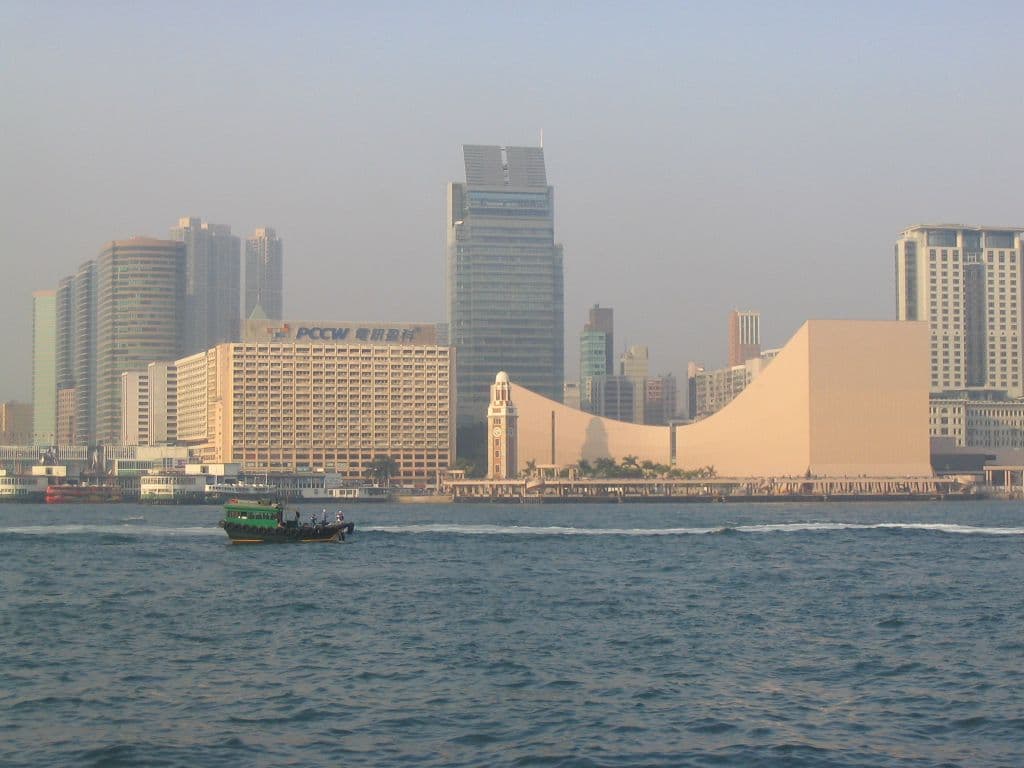
Today, as we gaze across the harbour at the iconic Hong Kong skyline, let us remember the vanished shores and the forgotten piers of Tsim Sha Tsui. They are a part of the city's rich maritime heritage, a testament to the ingenuity and resilience of the people who built and used them. They may be gone, but their legacy endures in the very fabric of this dynamic urban landscape. The next time you are at Kowloon Public Pier, take a moment to reflect on the lives and livelihoods that once depended on these forgotten gateways to the world. Consider too, the countless photographs taken from those piers, capturing snapshots of a city in constant motion, framed by the ever-changing beauty of Victoria Harbour. The past is always present, if you know where to look.