Architecture

Concrete Dreams: Kowloon Public Pier and Hong Kong's Post-War Architectural Identity

2026年4月26日 · 6 min

Concrete Dreams: Kowloon Public Pier and Hong Kong's Post-War Architectural Identity

Kowloon Public Pier, a seemingly simple structure jutting into the iconic Victoria Harbour, tells a silent but powerful story of Hong Kong's post-war reconstruction and architectural evolution. Beyond its functional role as a gateway to the sea, the pier embodies the pragmatic, yet quietly ambitious, spirit of a city rebuilding itself. This article delves into the architectural nuances of Kowloon Public Pier, exploring how its design reflects the broader trends and challenges of post-war Hong Kong.

Following the devastation of World War II, Hong Kong faced the daunting task of rebuilding its infrastructure. The architecture of this era prioritized functionality and cost-effectiveness. Kowloon Public Pier, initially constructed in the late 1950s and later expanded, exemplifies this approach. Its unadorned concrete structure, while lacking the ornate details of earlier colonial architecture, showcases a robust and durable design, reflecting the city's determination to rise from the ashes.

The pier's layout is inherently practical, designed to facilitate the efficient movement of passengers and goods. The wide, open spaces and simple geometric forms prioritize functionality over elaborate aesthetics. However, closer inspection reveals subtle design choices that elevate the pier beyond mere utility. The use of reinforced concrete, a relatively new material at the time, demonstrates Hong Kong's embrace of modern construction techniques. The clean lines and minimalist approach, while understated, contribute to a sense of order and efficiency.

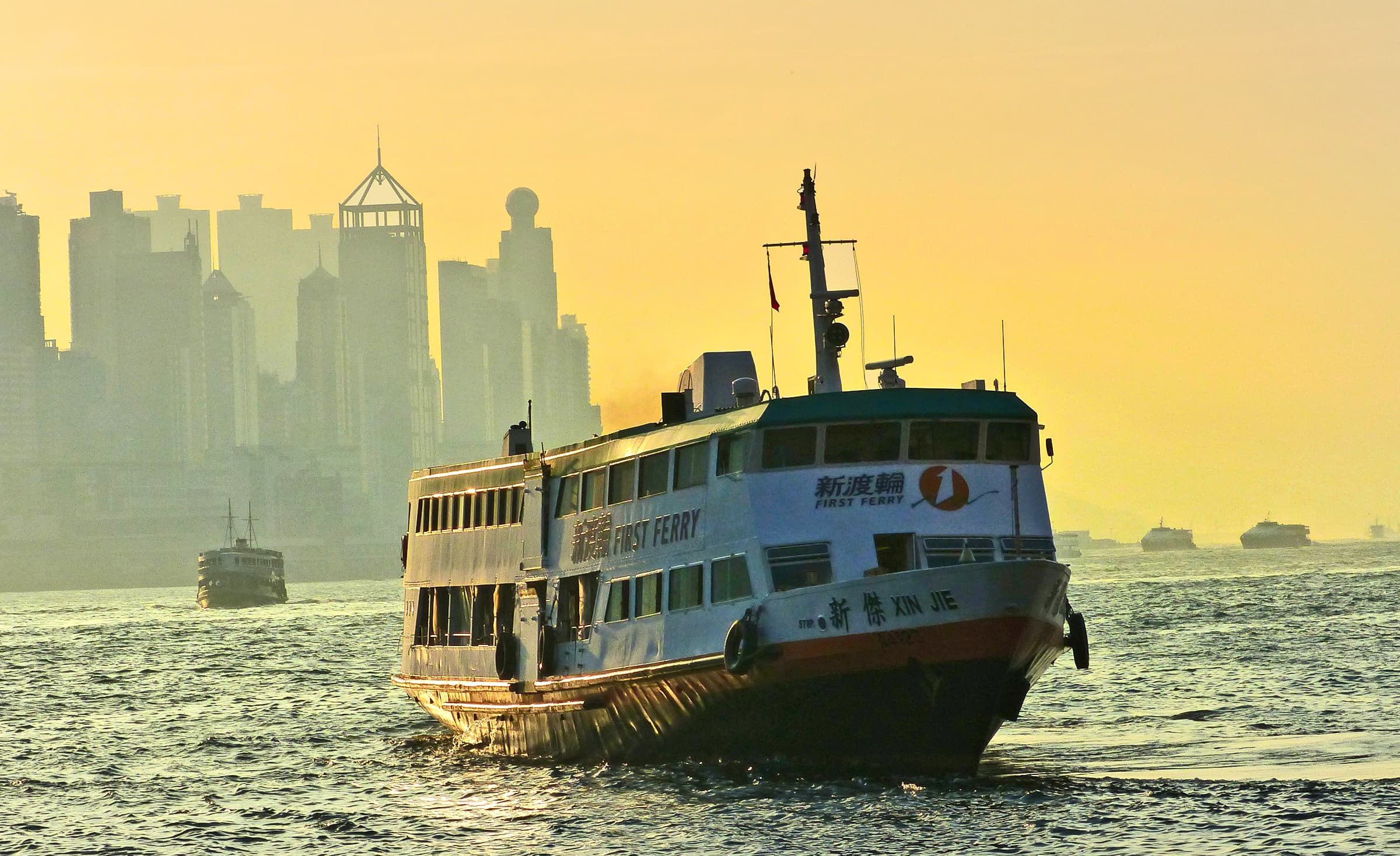
Furthermore, the pier's location and orientation are carefully considered to maximize its functionality and integrate it seamlessly with the surrounding urban landscape. The pier offers unparalleled panoramic views of Victoria Harbour, the Star Ferry gliding across the water, and the ever-evolving skyline of Hong Kong Island. It's a design that implicitly acknowledges the importance of the harbour, not just as a transport hub, but as the lifeblood of the city.

Over the decades, Kowloon Public Pier has undergone several renovations and expansions to accommodate the increasing demands of a growing population. These modifications, while necessary to maintain its functionality, have also subtly altered its architectural character. Comparing historical photographs of the pier with its present-day appearance reveals the evolution of its design, reflecting changing architectural trends and technological advancements. While the original post-war simplicity remains discernible, newer additions incorporate more contemporary materials and design elements.

Kowloon Public Pier stands as a testament to Hong Kong's resilience and its ability to adapt and evolve. Its architecture, though understated, speaks volumes about the city's post-war journey, its commitment to practicality, and its unwavering connection to the sea. As you stroll along its concrete expanse, consider the pier not just as a place to catch a ferry or admire the view, but as a tangible piece of Hong Kong's architectural history – a concrete dream realized amidst a city on the rise.

Kowloon Public Pier View