Kowloon Pier Under the Storm: Typhoon Safety in Victoria Harbour
7 May 2026 · 6 min
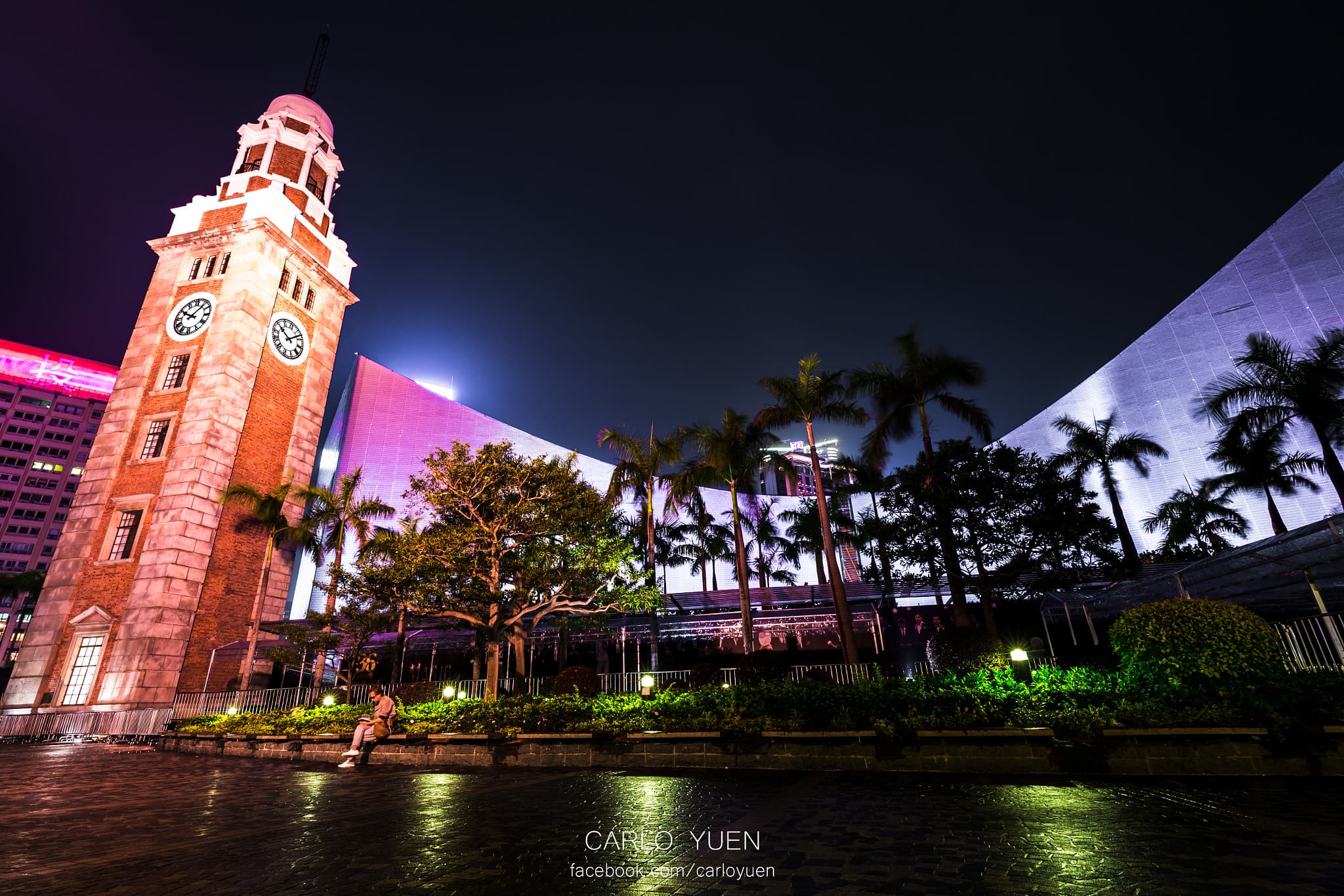
Victoria Harbour, a vibrant artery of Hong Kong, bustles with activity year-round. Ferries crisscross its waters, Walla-Wallas zip between shores, and the iconic Star Ferry faithfully connects Kowloon to Hong Kong Island. However, this bustling maritime scene is also vulnerable to the powerful forces of nature, particularly during typhoon season. Understanding the significance of typhoon signals and the corresponding safety measures is crucial for anyone living in or visiting Hong Kong, especially near the waterfront areas like Kowloon Public Pier.
The Hong Kong Observatory issues a series of numbered typhoon signals, ranging from Signal No. 1 to Signal No. 10, indicating the increasing severity of a tropical cyclone. Each signal triggers specific actions and precautions. Signal No. 1, the Standby Signal, serves as an early warning, advising residents to stay informed. As the typhoon approaches and strengthens, the signals escalate. Signal No. 3 indicates that winds are expected to increase and that precautions should be taken. Signals No. 8 and above warn of gale-force winds and severe weather conditions, urging people to remain indoors and avoid coastal areas.
Kowloon Public Pier, located on the Tsim Sha Tsui waterfront, is particularly susceptible to the effects of typhoons. During higher typhoon signals, the pier is typically closed to ensure public safety. The Star Ferry service, a lifeline for commuters and a beloved symbol of Hong Kong, suspends operations when Signal No. 8 is hoisted. Similarly, Walla-Walla services, the charming water taxis, are also halted to prevent accidents and protect passengers. The usually bustling pier becomes eerily quiet, a stark contrast to its usual vibrant atmosphere.
The closure of Kowloon Pier during typhoons highlights the importance of the pier's structural integrity. The pier is designed to withstand significant wave action, but extreme conditions can pose a threat. Regular maintenance and inspections are essential to ensure the pier's continued safety and functionality. Beyond the physical structure, the pier's location offers panoramic views of the Hong Kong skyline, which becomes obscured and potentially dangerous during heavy rain and strong winds associated with typhoons.
Historically, typhoons have had a profound impact on Hong Kong's maritime environment. Stories abound of ships lost at sea, coastal damage, and the resilience of the Hong Kong people in the face of adversity. The establishment of typhoon shelters around the harbour reflects the city's ongoing efforts to mitigate the impact of these natural disasters. These shelters provide safe haven for vessels seeking refuge from the storm.
In modern times, advanced technology plays a crucial role in typhoon forecasting. The Hong Kong Observatory utilizes sophisticated weather models and radar systems to track the movement and intensity of tropical cyclones, providing timely and accurate warnings to the public. This allows residents and businesses to prepare for the impending storm and take necessary precautions.
For visitors and residents alike, staying informed during typhoon season is paramount. Check the Hong Kong Observatory's website or mobile app for the latest updates on typhoon signals and weather conditions. Heed the warnings issued by authorities and avoid unnecessary travel during high typhoon signals. Secure loose objects around your home or workplace, and be prepared for potential power outages. Most importantly, prioritize your safety and the safety of those around you.
The next time you visit Kowloon Public Pier, take a moment to appreciate its significance not only as a gateway to Victoria Harbour but also as a reminder of the forces of nature that shape this dynamic city. Understanding typhoon safety is an integral part of experiencing and appreciating the beauty and resilience of Hong Kong's maritime heritage. Remember to always check weather conditions and heed warnings to ensure a safe and enjoyable visit to this iconic landmark.
/images/pier_view_wide.jpg