Riding Out the Storm: Typhoon Safety and Kowloon Public Pier Closures
7 May 2026 · 6 min
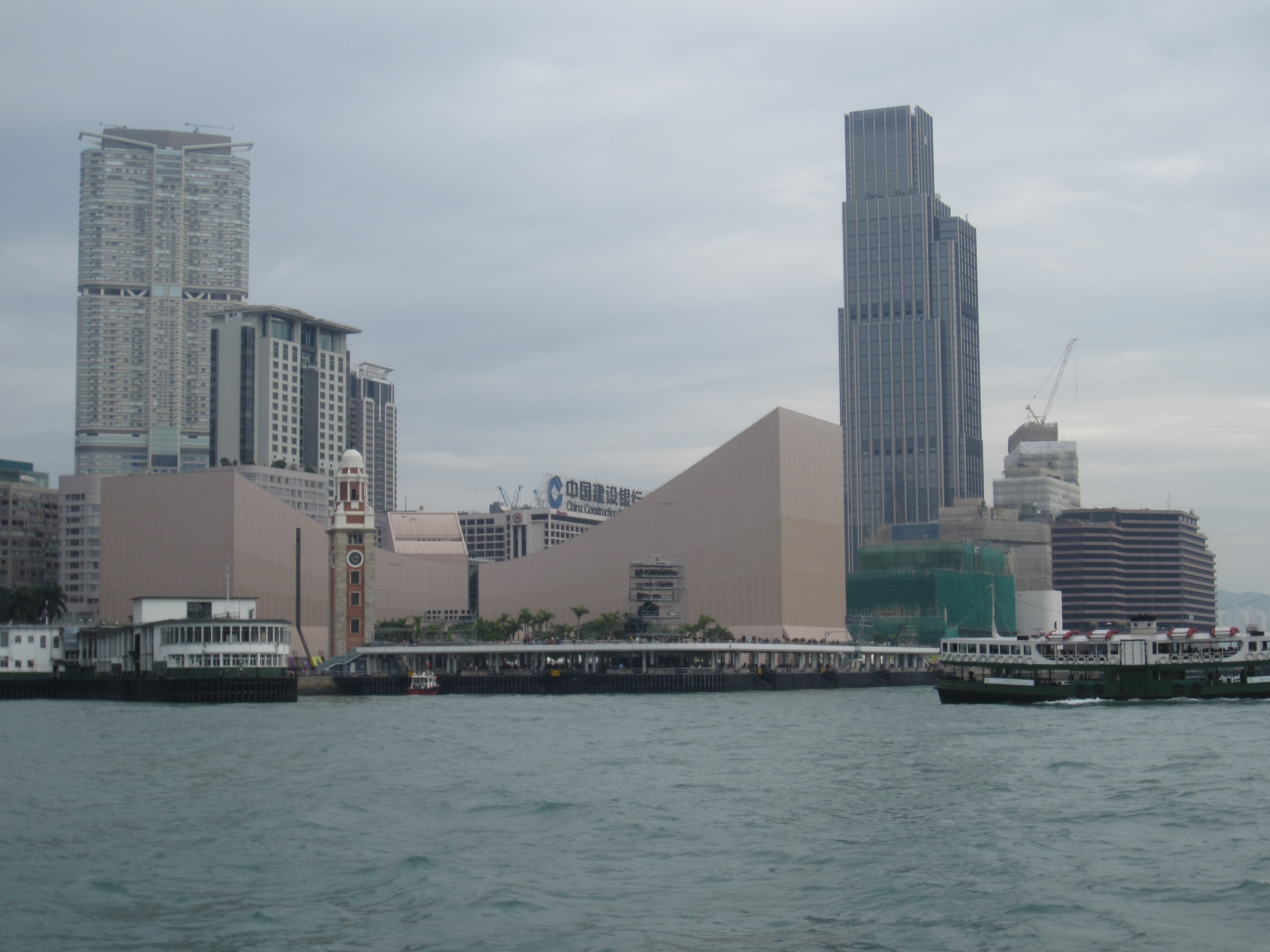
Victoria Harbour, a vibrant hub of activity, transforms dramatically when a typhoon approaches. Kowloon Public Pier, a steadfast landmark on the Tsim Sha Tsui waterfront, plays a crucial role in these dramatic shifts. Understanding typhoon signals and pier closure procedures is paramount for ensuring safety in Hong Kong, particularly around the harbour.
The history of typhoon warnings in Hong Kong is deeply intertwined with its maritime heritage. Before modern technology, sailors relied on visual cues and local knowledge to anticipate approaching storms. The Hong Kong Observatory, established in 1883, formalized the warning system, initially using signal guns and later evolving to the numerical system we know today. These signals, prominently displayed throughout the city, including near Kowloon Pier, provide crucial information about the typhoon's intensity and proximity.
When a typhoon signal is raised, specific protocols are activated at Kowloon Public Pier. Higher signals trigger a complete closure of the pier to public access. This decision is made to protect individuals from the potential dangers of strong winds, heavy rain, and storm surges that can overwhelm the harbour. The pier's management team carefully monitors the Observatory's updates and coordinates with relevant authorities to ensure a safe and orderly closure.
The visual transformation of Victoria Harbour during a typhoon is striking. The usually placid waters become turbulent, whipped into a frenzy by gale-force winds. The iconic skyline, often a backdrop for stunning photographs, is obscured by torrential rain and low-hanging clouds. The rhythmic chugging of the Star Ferry is silenced as services are suspended, and the usually bustling Walla-Walla boats are safely docked, their distinctive silhouettes absent from the churning waters.
The pier itself, a concrete structure designed to withstand the elements, bears the brunt of the storm. Waves crash against its foundations, and the wind howls through its open spaces. While the pier is engineered for such conditions, it's a stark reminder of the raw power of nature and the importance of respecting typhoon warnings.
Beyond the immediate physical dangers, typhoons can also cause significant disruption to daily life. Transportation networks are often paralyzed, businesses close, and residents are advised to stay indoors. Having a typhoon preparedness kit, including essential supplies like water, food, and a first-aid kit, is crucial.
Kowloon Public Pier, a place of constant activity and movement, becomes a place of quiet anticipation during a typhoon. It stands as a silent sentinel, a reminder of the forces of nature and the importance of preparedness. By understanding typhoon signals and adhering to safety guidelines, both residents and visitors can navigate these challenging weather events and appreciate the resilience of Hong Kong's maritime culture. Remember to always check the Hong Kong Observatory's website for the latest typhoon information and heed the warnings to ensure your safety and the safety of others.
[Image: /images/pier_view_wide.jpg]