Footsteps of Empire: A Colonial Heritage Walk Along the TST Waterfront
21 April 2026 · 6 min
Footsteps of Empire: A Colonial Heritage Walk Along the TST Waterfront
/images/pier_view_wide.jpg
The Tsim Sha Tsui waterfront, a vibrant tapestry of modern marvels and bustling commerce, also holds within its very stones a rich colonial history. This walk isn’t just about the gleaming skyline; it’s about uncovering the echoes of empire embedded in the architecture and the very layout of this iconic stretch.
Our journey begins at what is now known as 1881 Heritage, formerly the Marine Police Headquarters. Established in 1884, this complex was a cornerstone of colonial authority, overseeing maritime security and law enforcement in the bustling harbor. Imagine the scene: officers patrolling the waterfront, overseeing the arrival and departure of ships laden with goods and migrants from across the globe. The building itself, a blend of Victorian architectural styles, speaks volumes about the British presence in Hong Kong. Its transformation into a luxury retail and hotel complex is a testament to the city’s constant evolution, yet the bones of its colonial past remain.
Moving eastward along Salisbury Road, consider the road itself. Its development was intrinsically linked to the Kowloon-Canton Railway terminus (relocated in 1975). The railway was a vital artery connecting Hong Kong to mainland China, facilitating trade and movement of people. The presence of the terminus significantly shaped the development of TST, turning it into a major transportation hub and commercial center. The iconic Clock Tower, the only remaining part of the station, stands as a poignant reminder of this bygone era. It’s a symbol of connection, of journeys undertaken, and a steadfast witness to the changing face of Hong Kong.
Look further at the buildings lining the waterfront. While many have been replaced with modern structures, their very existence is predicated on the colonial foundations laid in the 19th and early 20th centuries. Consider the legacy of figures like Sir Catchick Paul Chater, a prominent businessman of Armenian descent, whose vision and investment played a crucial role in shaping the infrastructure and skyline of Hong Kong. His influence, and that of other early European settlers and traders, is etched into the urban landscape.
Beyond the immediate landmarks, consider the less obvious aspects of colonial influence. The very concept of a planned waterfront, with its promenades and public spaces, was a direct import from European urban planning ideals. Reclamation projects, while expanding the city's landmass, also drastically altered the natural coastline, erasing traces of the pre-colonial landscape.
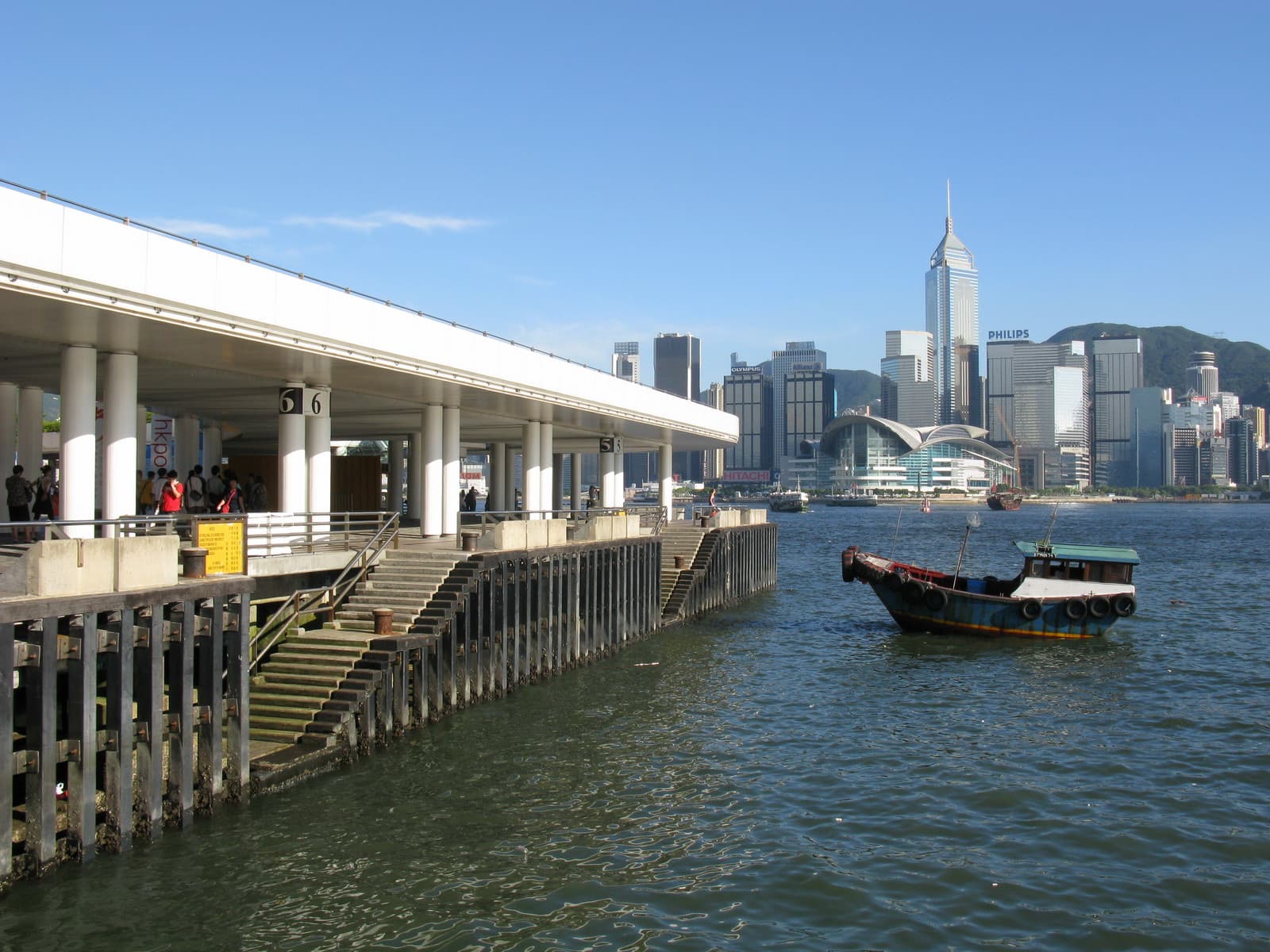
As you gaze across Victoria Harbour, take a moment to reflect on the complex legacy of colonialism. The TST waterfront is a palimpsest, a surface upon which layers of history have been written and rewritten. This walk offers a glimpse into one of those layers, a reminder of the forces that shaped the city we know today. It’s a journey into the footsteps of empire, a chance to understand the enduring impact of the colonial era on the heart of Hong Kong.