Concrete Dreams: Kowloon Pier and the Architecture of Post-War Hong Kong
26 April 2026 · 6 min
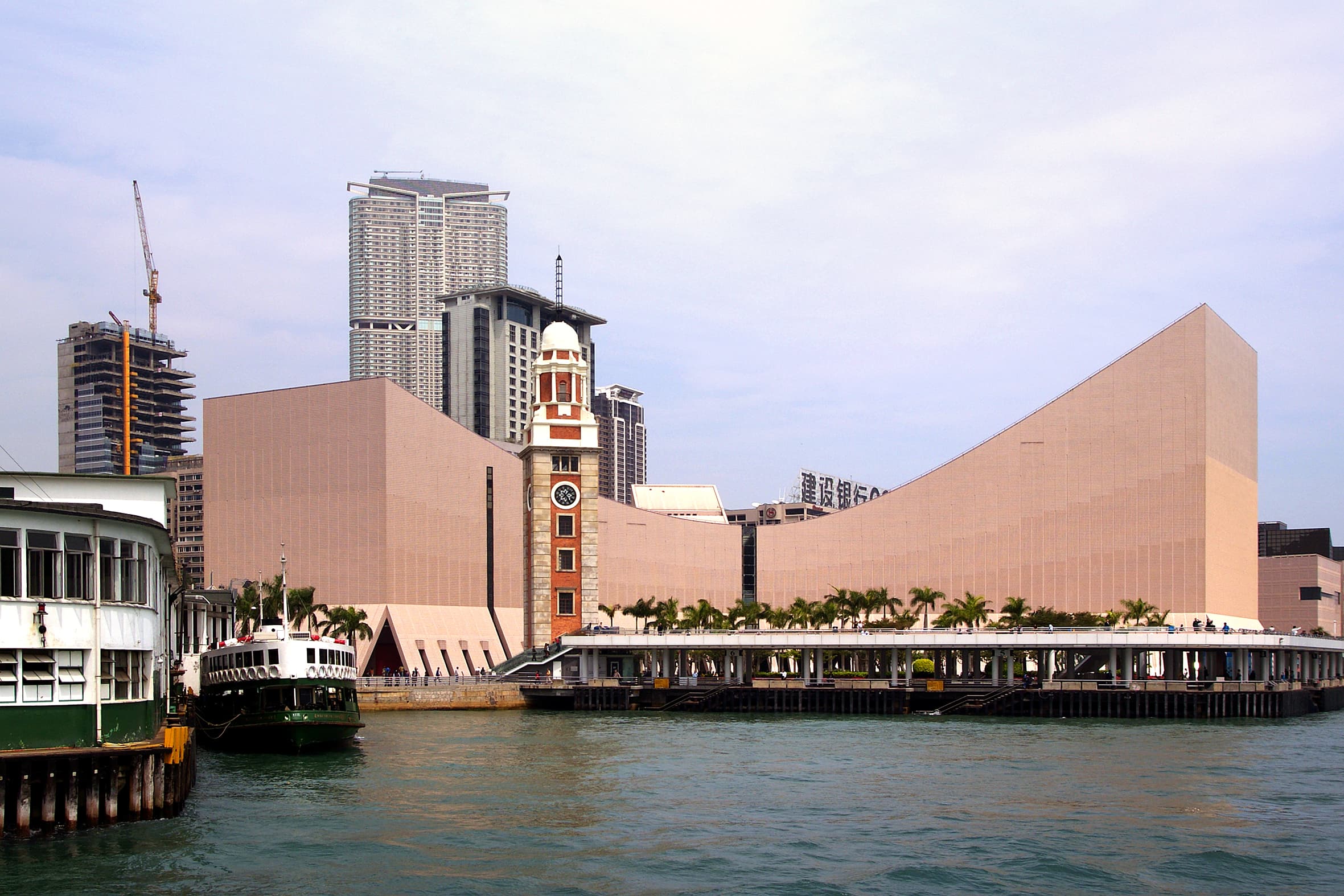
Kowloon Public Pier stands as more than just a portal to Victoria Harbour; it's a concrete testament to Hong Kong's post-war architectural aspirations. Emerging from the rubble and rebuilding efforts following World War II, the pier's design reflects a shift away from purely colonial styles towards a more functional and utilitarian aesthetic, while still subtly incorporating local influences. This era saw a surge in concrete construction, a material readily available and relatively inexpensive, symbolizing resilience and progress. /images/pier_view_wide.jpg
Unlike the ornate colonial-era piers that preceded it, Kowloon Public Pier embraces a simpler, more streamlined design. The emphasis was on practicality: efficient passenger flow for Star Ferry commuters, ample space for cargo handling, and a robust structure capable of withstanding the elements. The open-air design, while offering stunning views of the iconic skyline, also facilitated ventilation and natural light, crucial considerations in Hong Kong's humid climate. The use of reinforced concrete allowed for longer spans and fewer supporting columns, creating a more open and accessible space for the public.
Look closely, and you'll notice subtle details that hint at the pier's evolution. The design of the railings, the layout of the waiting areas, and the shape of the canopies all speak to a conscious effort to create a modern and functional public space. These design choices stand in contrast to the earlier, more ornamental colonial architecture found elsewhere along the TST waterfront. The pier became a key node in the network of water transport, and the design reflected this emphasis on getting people and goods moving.
The post-war period also saw the rise of a new generation of Hong Kong architects, many of whom were trained locally. Their designs, including Kowloon Public Pier, sought to balance international trends with the specific needs and context of Hong Kong. The pier's architecture can be seen as a reflection of this evolving identity, a blend of pragmatic functionality and subtle aesthetic touches. The Walla-Wallas, iconic water taxis, were central to the pier's early function, their design influencing the harbour-side access points. From this vantage point, you can see the skyline, a product of this same post-war architectural boom. The pier, therefore, serves as a microcosm of this era.
Over the years, Kowloon Public Pier has undergone renovations and modifications, but its core architectural character remains largely intact. It continues to serve as a vital link in Hong Kong's transportation network and a popular destination for locals and tourists alike. As you stand on the pier, gazing out at the shimmering waters of Victoria Harbour, take a moment to appreciate the architectural legacy of this humble yet significant structure – a concrete dream realized in the heart of Hong Kong. The Star Ferry continues to ply the waters, a constant reminder of the pier's enduring purpose and design. The pier is a living museum, silently telling the story of a city rebuilt and reimagined.